The Languedoc coast
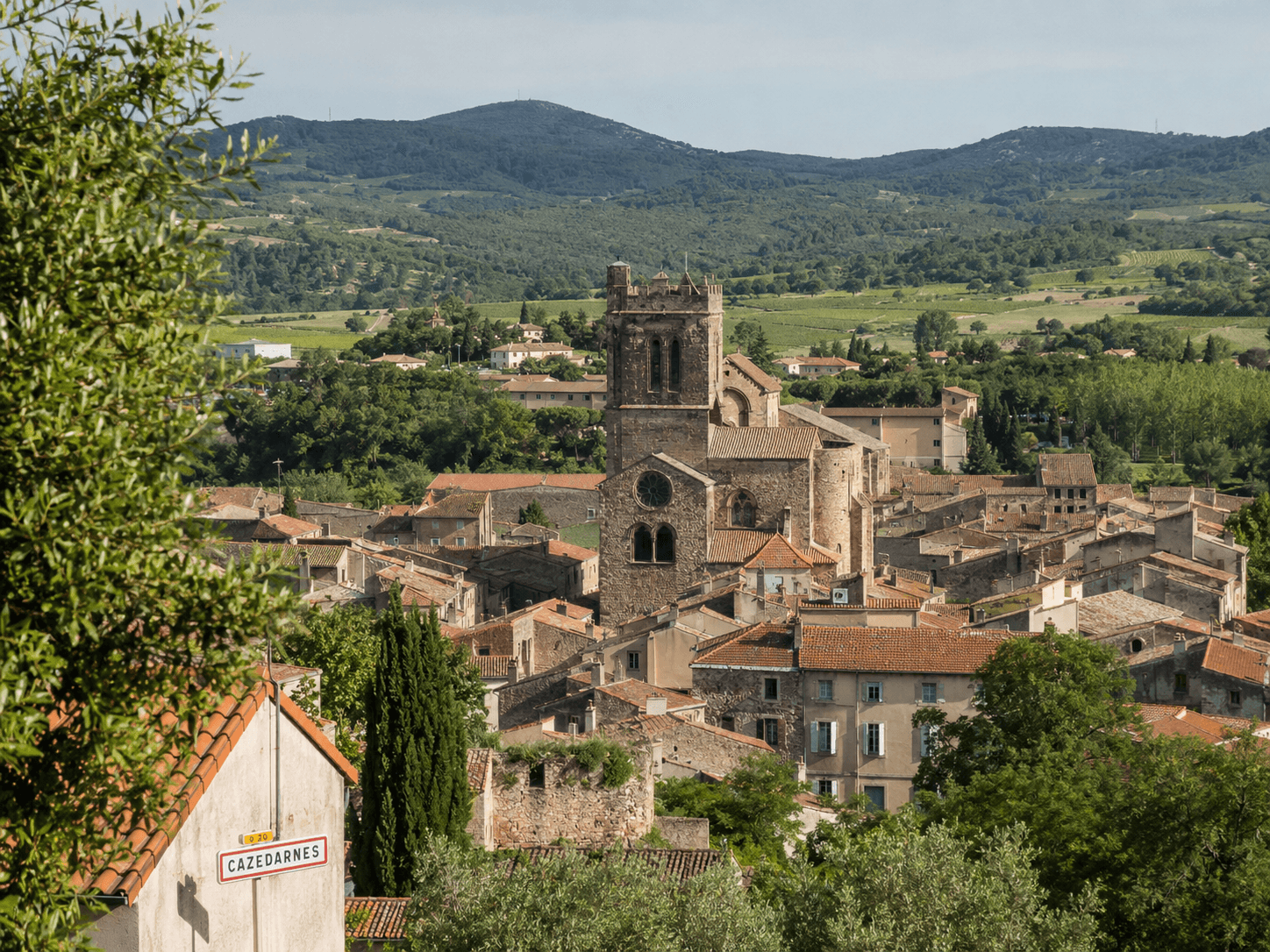
The Languedoc coastline has no single identity, and that is what makes it interesting. There are long family beaches, animated harbours, salt marshes, lagoons, oyster villages, towns with genuine character and livelier resorts. Everything depends on which Mediterranean you want to experience. If you are already weighing up whether coast or hinterland suits your group better, our guide to choosing a holiday home in the South of France may help clarify the decision.
Walk the salt marshes and La Clape vines of Gruissan
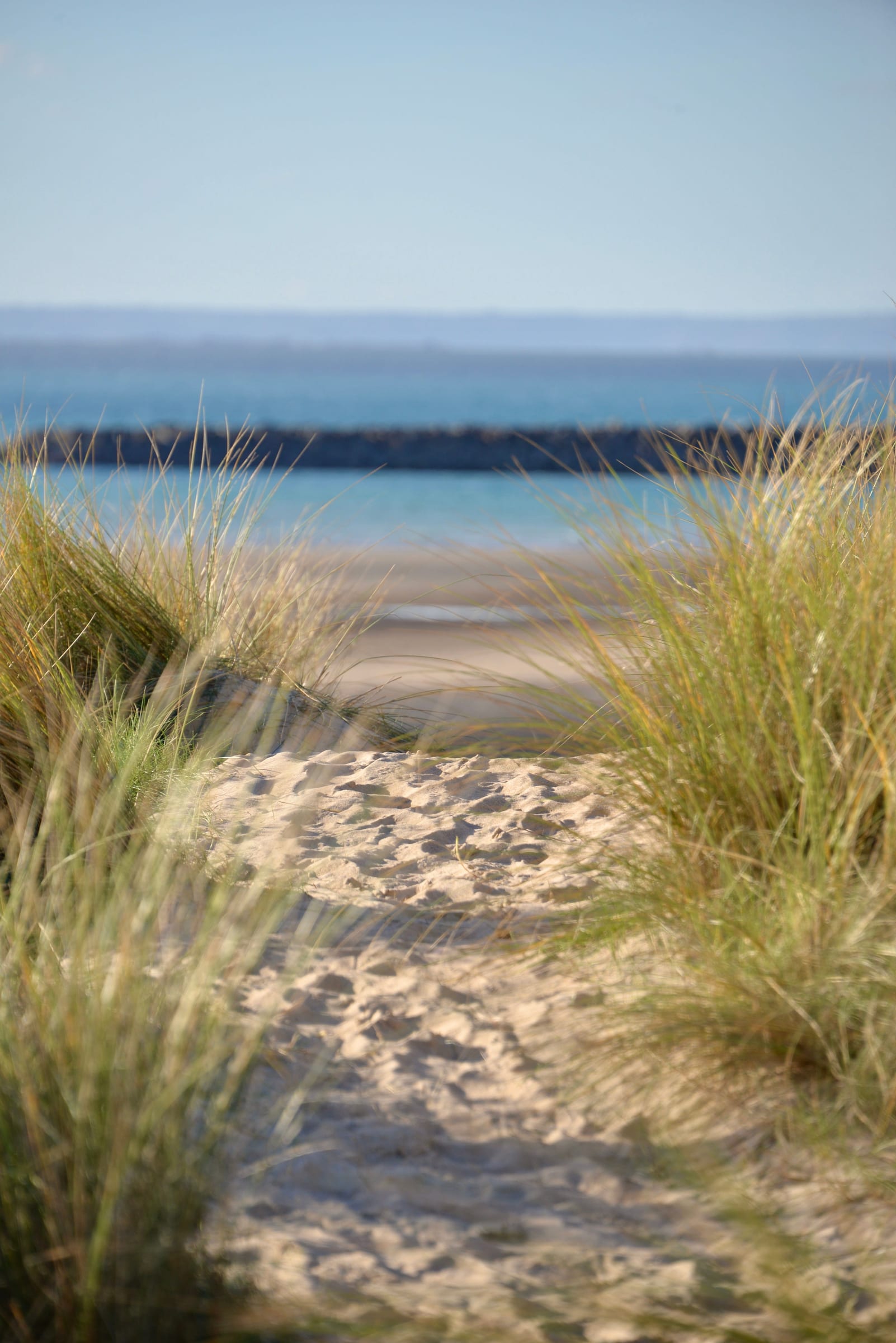
Gruissan is one of the most distinctive holiday destinations on the Aude coast, and one of the most underrated in the South of France. The circular village spirals around the Tour Barberousse; the Plage des Chalets stretches along wooden-stilt houses that have become a landscape of their own; the salt marshes shimmer in the afternoon heat; and the Massif de La Clape rises quietly above everything, vine-covered and ancient. You come for the sea, of course, but Gruissan rewards slow exploration long after the beach: evening walks across the salins, long uncrowded afternoons on the sand, wine tasting among La Clape's finest estates.
Best for: wild Mediterranean coast, salt marshes, La Clape wine, unhurried holidays on the Aude
Wide sands and open water at Narbonne-Plage
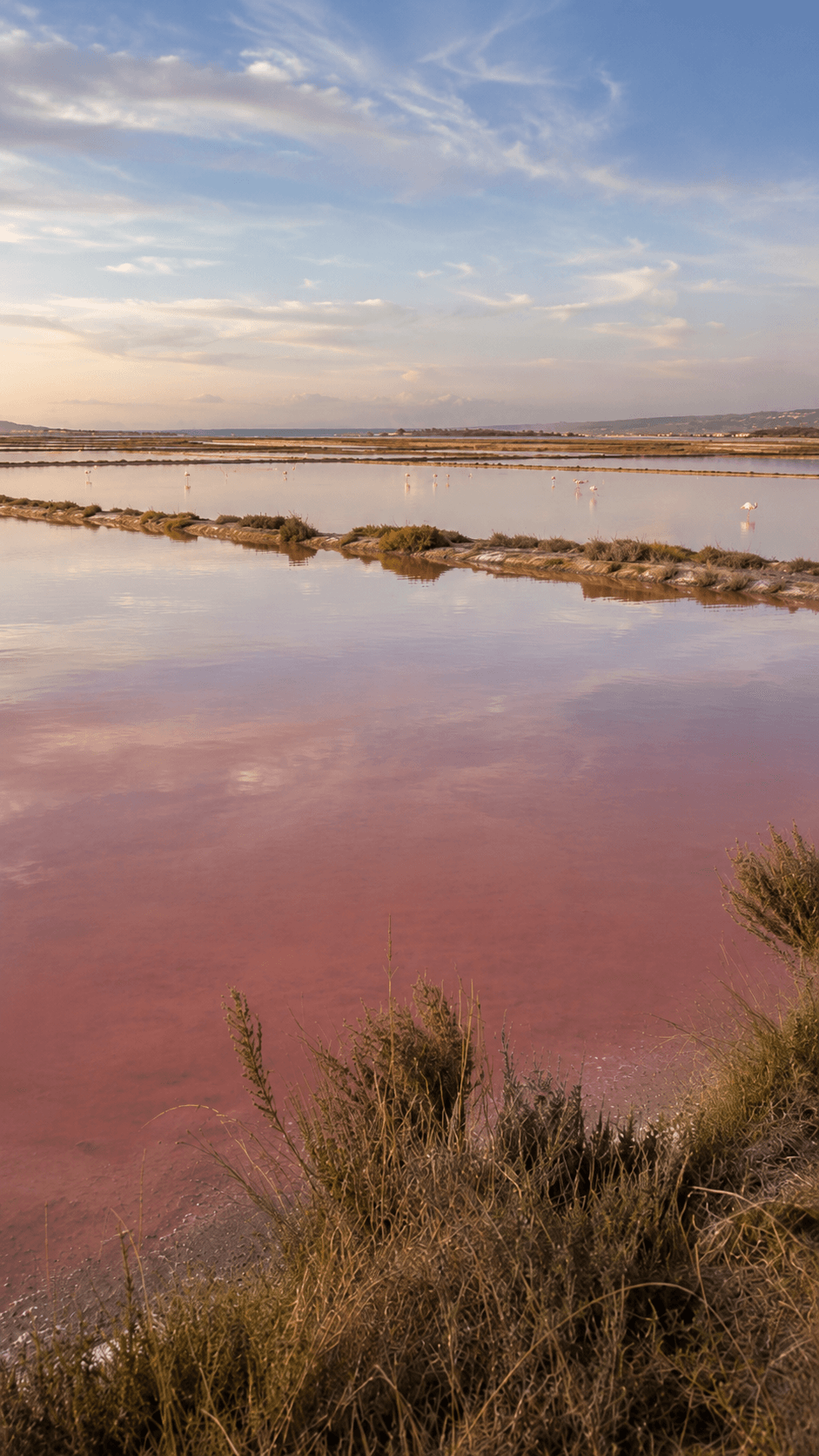
Narbonne-Plage makes no promises it cannot keep. What it offers is clear and direct: five kilometres of wide, open beach, easy amenities, a relaxed family atmosphere and swift access to Narbonne city, Gruissan and the Massif de La Clape. It is the most straightforward choice on the Aude coast, and that directness is precisely its value. There is no complicated harbour to navigate, no long drive to reach the sand: the sea is there from the moment you arrive. For families with young children, groups travelling together or those who simply want an honest base in the South of France without complication, Narbonne-Plage is consistently dependable. Browse our villas near Narbonne and the Aude coast to find the right property for your stay.
Best for: family beach holidays in the South of France, wide sandy beaches, easy access to Narbonne and La Clape
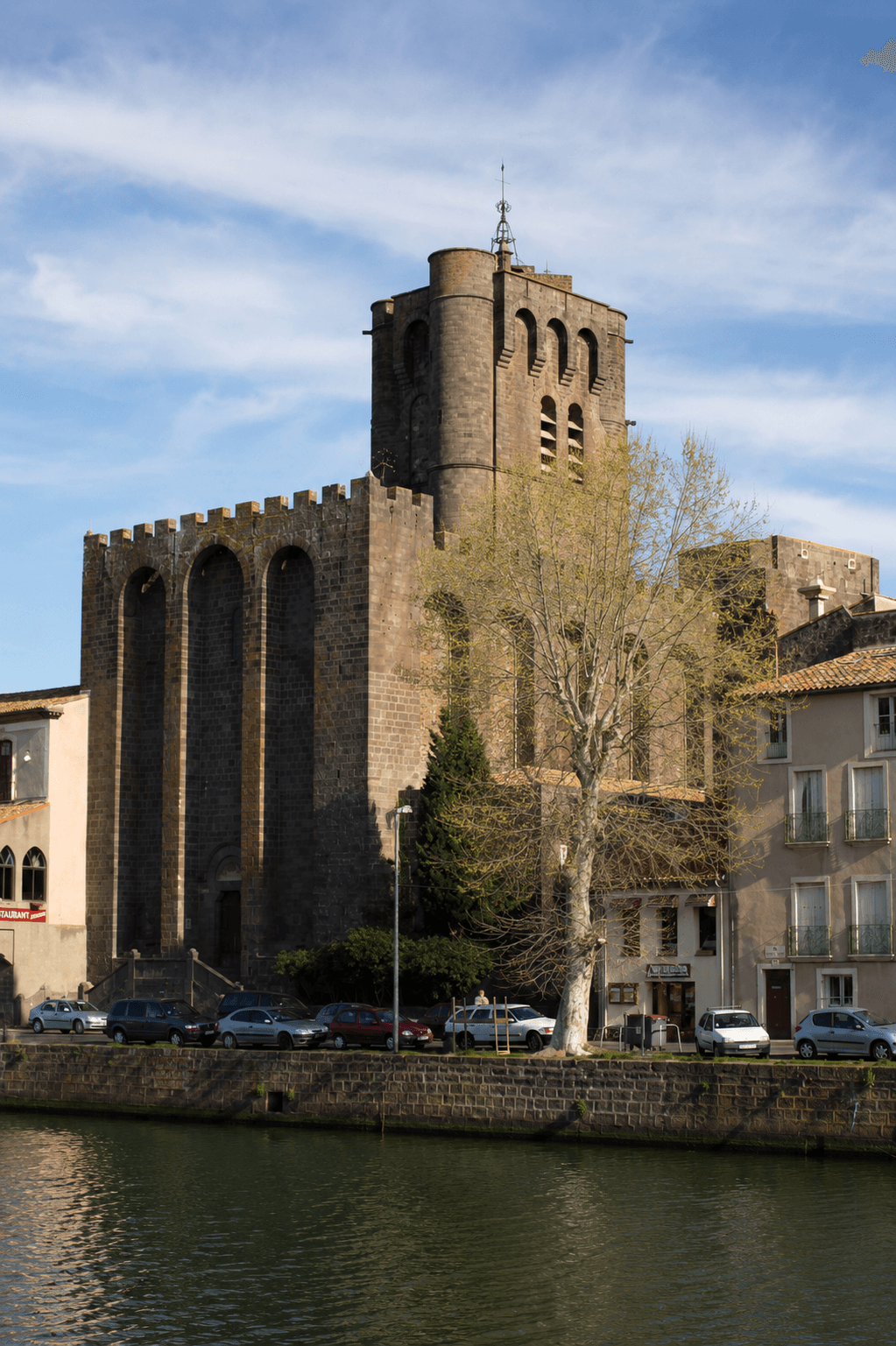
Discover the Black Pearl of the Mediterranean at Agde
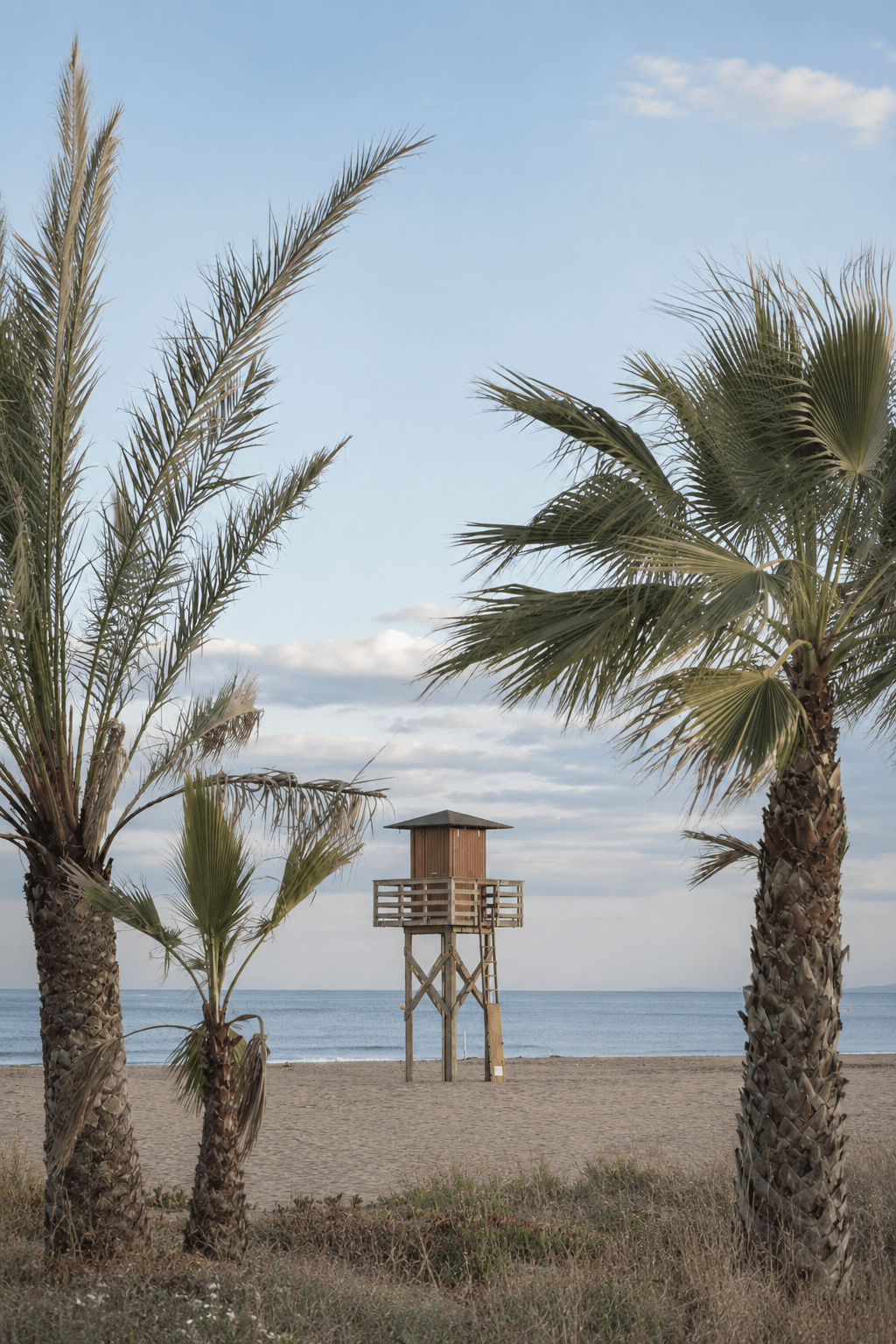
Agde is one of the oldest cities in France, and one of the least understood. Founded around 2,600 years ago by Greek colonists from Phocaea, who named it Agathé Tyché (Good Fortune), it predates most of what we think of as French history. What makes it singular, and what gives it its unmistakable character, is the black basalt on which it was built: an ancient volcanic rock that lends the cathedral, the ramparts and the streets themselves a mineral depth unlike anything else in the Languedoc. This is the origin of Agde's enduring nickname, the Black Pearl of the Mediterranean. Beyond the old city, Agde unfolds into several distinct faces: the working fishing port at Grau d'Agde, the pine-shaded beaches at La Tamarissière, the open sea and the wider Cap d'Agde basin. Together they make it one of the most versatile destinations on the Hérault coast, equally suited to history lovers, families with teenagers, water sports enthusiasts and those simply looking for a good evening out. Our villa collection near Agde and the Hérault coast includes several properties ideally placed to explore all of it.
Best for: ancient history, the Black Pearl of the Mediterranean, Hérault coast beaches, active and cultural stays
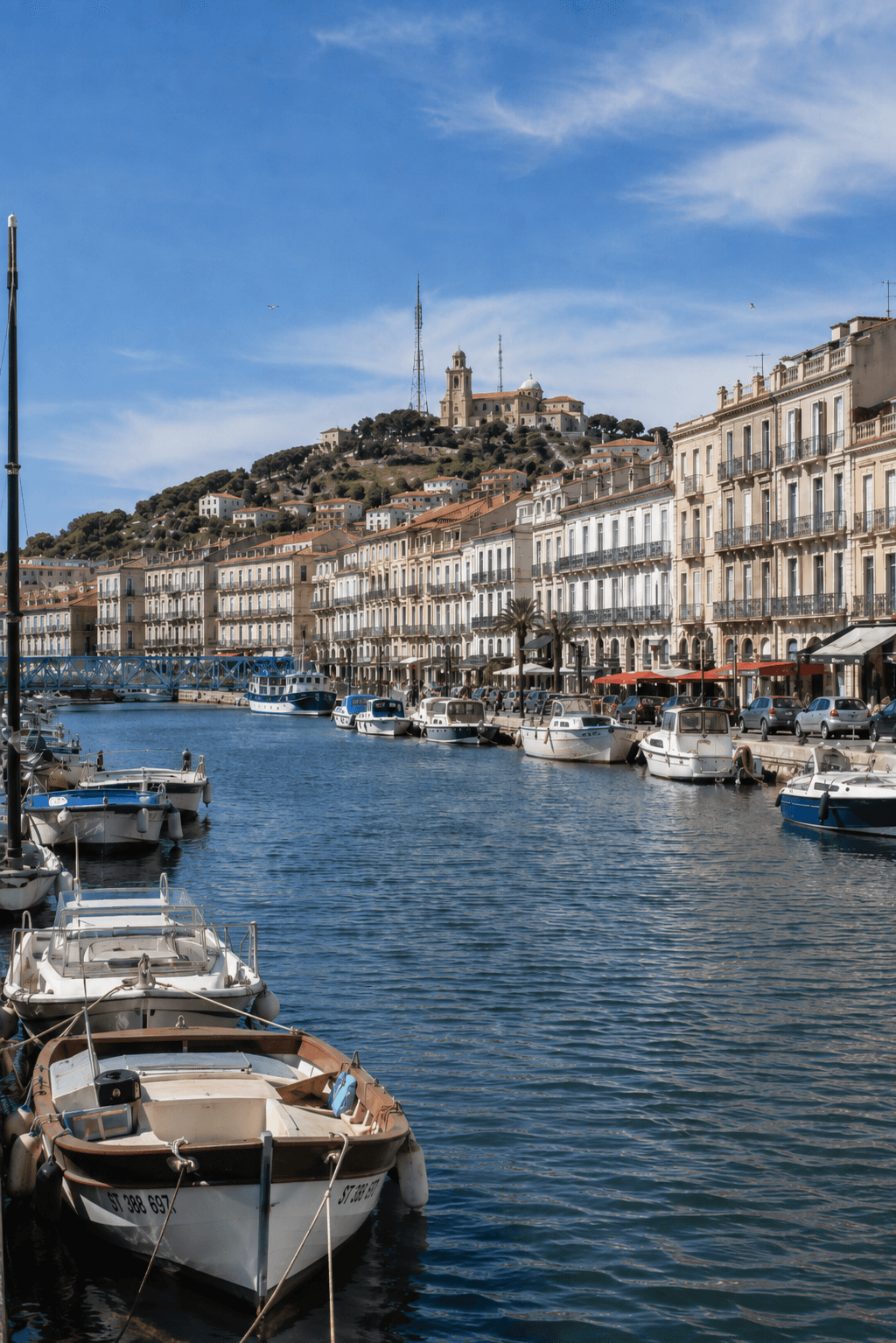
Savour oysters, canals and a living port city at Sète
Sète is not a resort. It is a real Mediterranean city, and one with layers of identity that few Languedoc towns can match. Its canals, the Halles de la Criée, the Tuesday street market that fills the old streets from dawn, jousting tournaments on the water in summer, Mont Saint-Clair rising steeply above the rooftops: Sète has a personality entirely its own that works all year round. The food alone (tielle, macaronade, fresh fish from the port, oysters from the Étang de Thau) is reason enough to visit. Our villa Rooftop Sétois sits in the heart of the city, within easy reach of the canals and the market. Sète is particularly compelling out of season, because the port, the restaurants and the rhythm of city life continue through autumn and winter in a way the beach resorts simply cannot. Read more about the food and wine scene around Sète in our gastronomy and wine tourism guide.
Best for: city breaks in the South of France, gastronomy, canals, the living Mediterranean, off-season stays at Sète
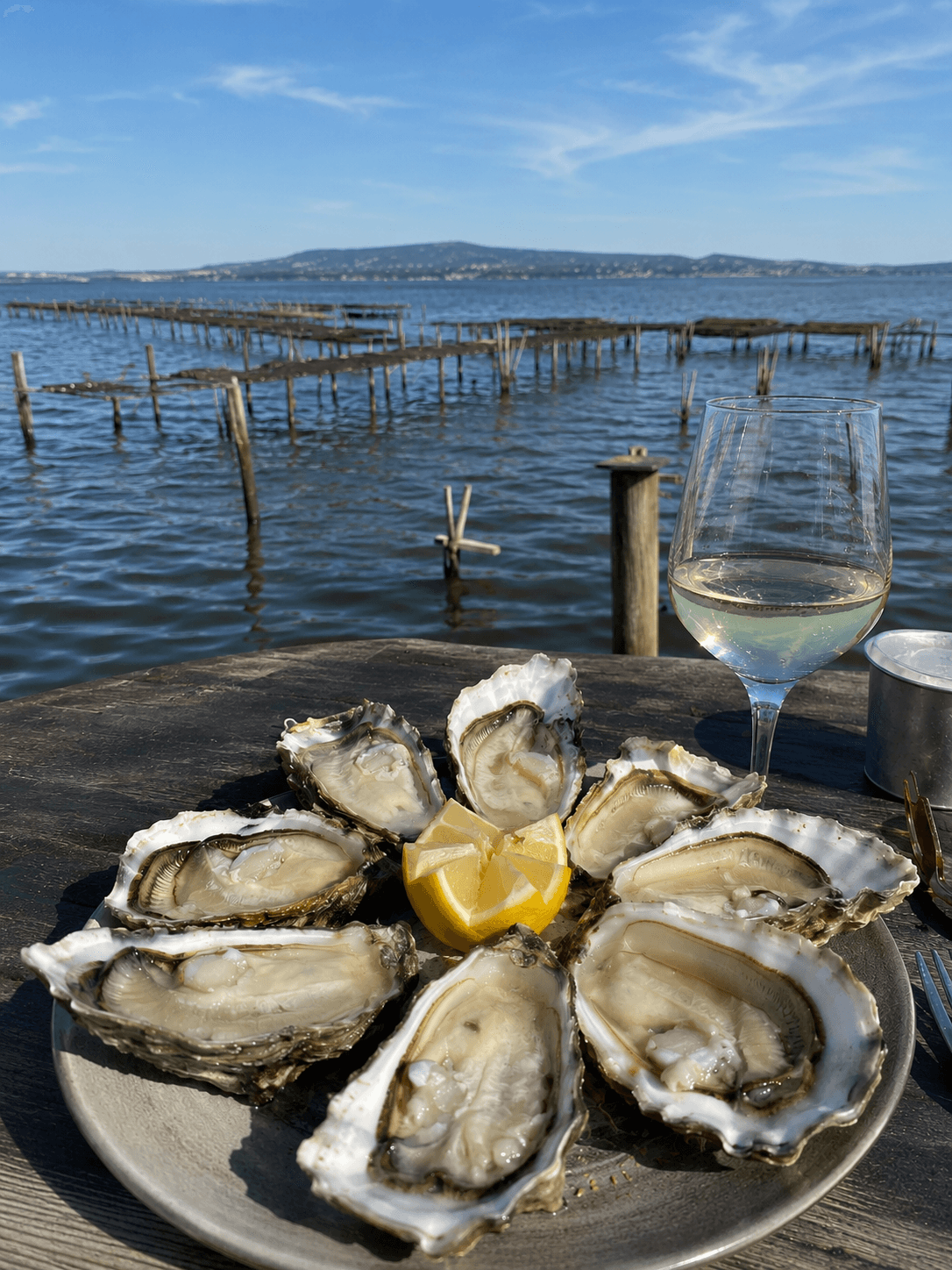
A long lunch on the Étang de Thau at Marseillan, Mèze & Bouzigues
Around the Étang de Thau, the Mediterranean slows down, and holidays take on a different quality. Marseillan draws visitors with its harbourside terraces, its aperitif culture and the storied cellars of Noilly Prat. Mèze offers a quieter, more family-oriented rhythm, with oyster beds visible from the shore and a summer prehistory museum that surprises even seasoned visitors. Bouzigues remains the single finest address on the étang for oysters: eaten at a waterside table with a glass of Picpoul de Pinet, they are among the best in France. The light over the lagoon at midday, that shimmer where water and sky meet without a clear horizon, is something that stays with you long after you leave. For a deeper dive into the wines and producers of the Étang de Thau, read our guide to gastronomy and wine tourism in the region.
Best for: oysters, Picpoul de Pinet, lagoon light, slow stays, harbourside lunches on the Étang de Thau
The arrière-pays
Not every successful stay begins with your feet in the sand. Between Narbonne and Montpellier, some of the finest moments are lived slightly inland, in a house with a pool, near a village, a market, a wine estate or a road through the garrigue. The arrière-pays rewards those willing to slow down and let a place reveal itself without a programme.
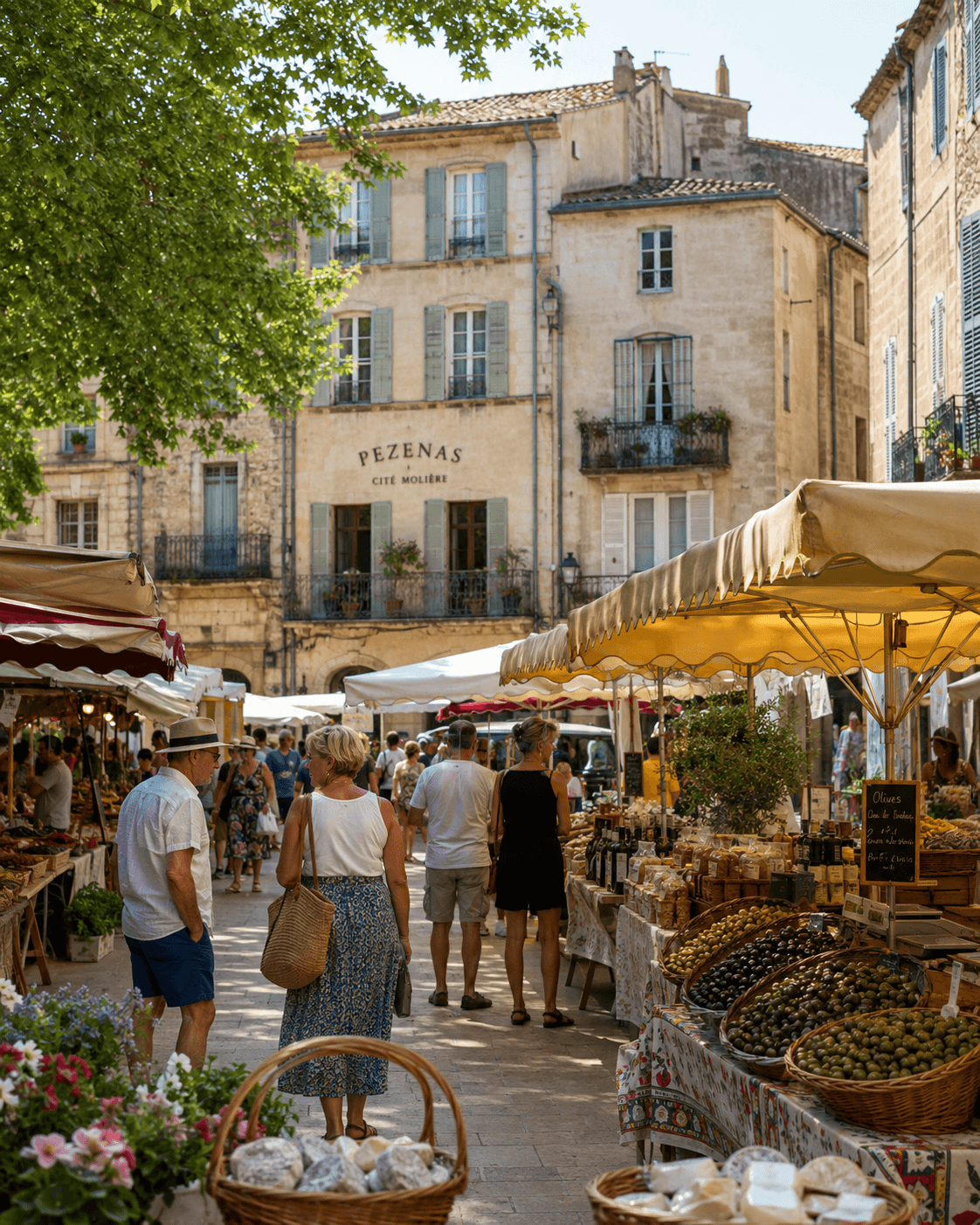
Wander the morning markets and hôtels particuliers of Pézenas
Pézenas is one of those towns that explains why people choose the Languedoc over Provence. Its old quarter (carved doorways, hôtels particuliers, narrow streets converging on a Saturday market) has the elegance of the Luberon without the crowds or the prices. Molière performed here in the seventeenth century. Artisans and antique dealers still work the old streets today. The restaurants are reliably good, the Saturday market is one of the finest in the Hérault, and the air on a summer evening carries warm stone and vine. As a touring base, Pézenas is exceptionally well-positioned: Agde, Marseillan, the Étang de Thau, Béziers and the vineyards of Languedoc are all within easy reach. Browse our holiday villas near Pézenas and the Hérault to find the right property for your stay.
Best for: heritage stays, Saturday markets, inland Languedoc, character properties, touring base in the Hérault
Wake to vines and slow days in the Minervois
The Minervois is what the Languedoc looks like when it isn't performing for visitors. Around Minerve, Bize-Minervois, Caunes-Minervois and La Livinière, life runs on a rhythm set by the vines, the market and the evening cool. Days here have a particular quality: a morning in the village, a swim in the pool at midday, a tasting at a domaine in the late afternoon, dinner outside as the light fades over the garrigue. It is one of the finest parts of the region for renting a house with a pool in the South of France, removed from the coast, with the freedom of space and the pleasure of a territory that reveals itself slowly. Our villa Hameau du Sud captures this spirit exactly. The Minervois appellation and its domaines are covered in detail in our wine tourism and gastronomy guide.
Best for: holiday villa with pool, Minervois wine tourism, slow travel, family stays, hinterland holidays
Follow the garrigue roads into the wild Corbières and Lagrasse
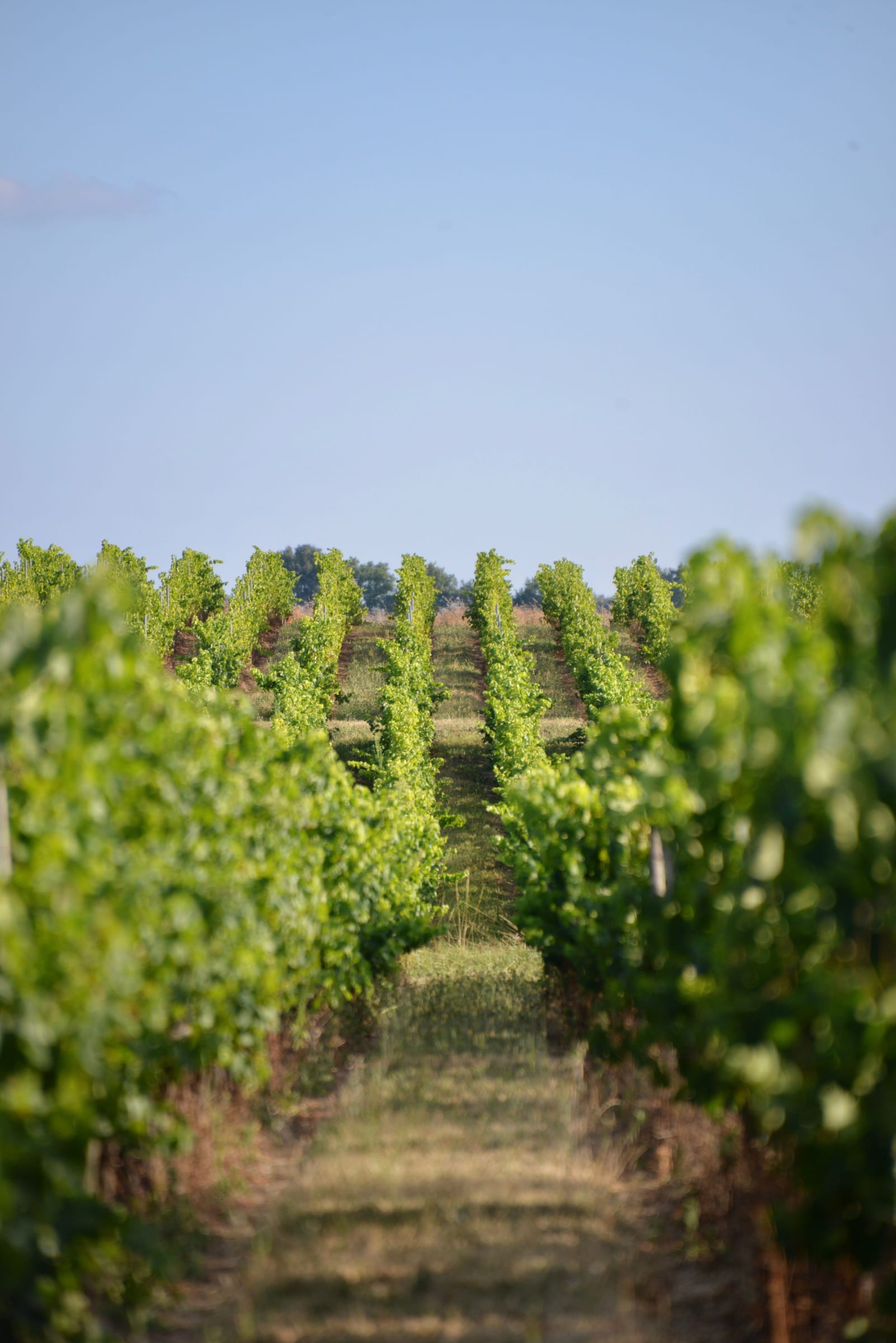
The Corbières offer a South that hasn't softened for visitors. The roads through the garrigue are narrow, the villages are small and self-sufficient, and the landscapes (limestone ridges, wild scrubland, vines planted in pockets of red and black soil) have a mineral intensity unlike anything on the coast. Lagrasse, classified among the most beautiful villages in France, anchors the territory: its Carolingian abbey, its artisan workshops and its Thursday market make the journey worthwhile on their own. Beyond Lagrasse, the Abbaye de Fontfroide and the roads that climb towards the plateau reward those willing to explore without a fixed itinerary. The wines of the Corbières appellation (deep, structured, age-worthy reds) are among the most serious in Languedoc, and are covered alongside the other appellations of the Aude in our guide to wine tourism between Narbonne and Montpellier.
Best for: undiscovered villages, Corbières wine, heritage, the wild Languedoc interior, Lagrasse
Discover wine estates and village mornings in Saint-Chinian
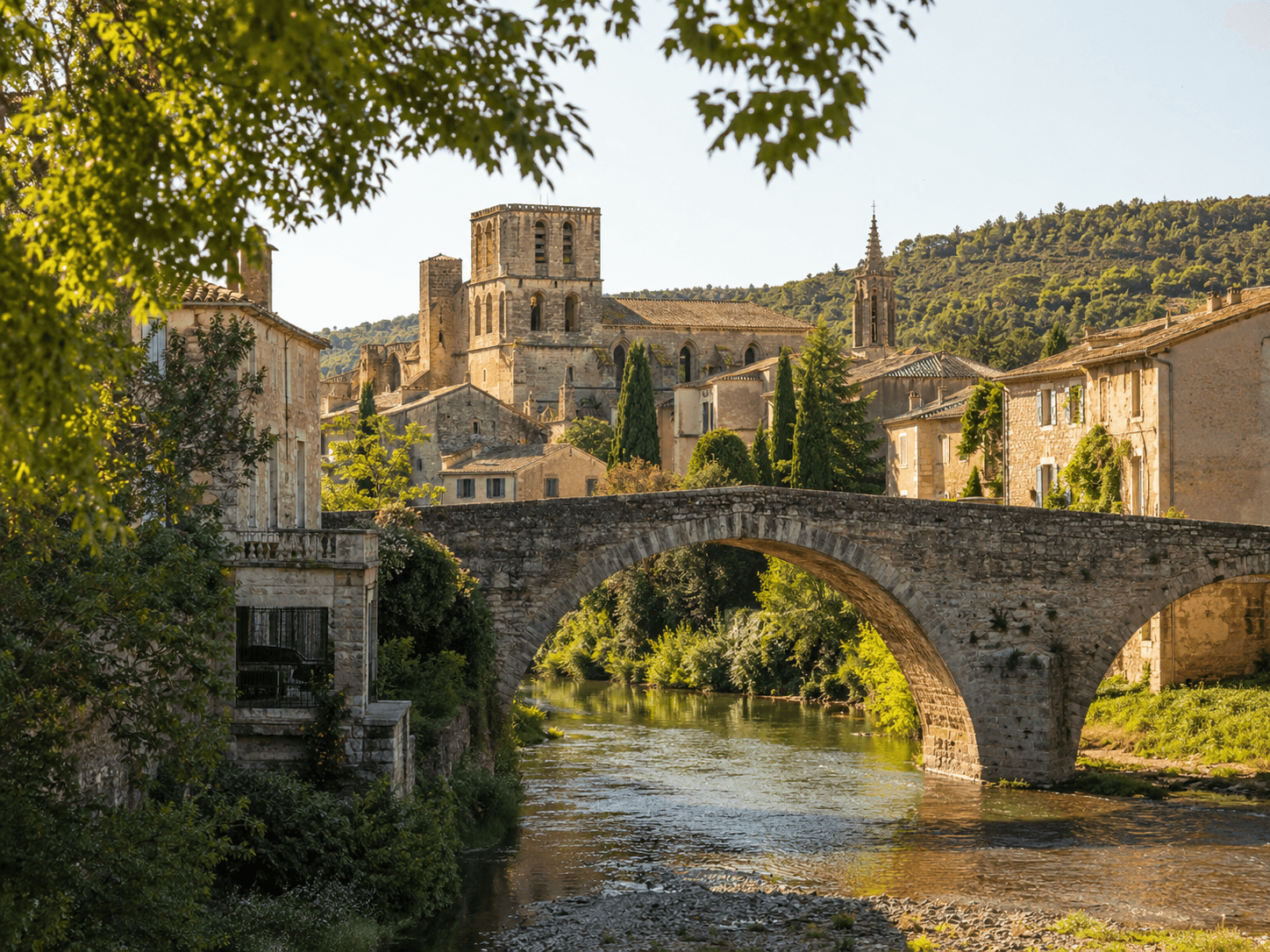
Saint-Chinian rewards the traveller who arrives without a fixed programme. The town itself is small and market-driven, Thursday mornings on the square, the scent of stone fruit and wild herbs, a café table in the shade. But the territory around it is where the real interest lies: rolling garrigue landscapes, dry-stone walls, wine domaines scattered through the hills, and a sense of a South that is genuinely lived in rather than staged. The Saint-Chinian appellation produces some of the most characterful wines in Languedoc, concentrated, aromatic reds shaped by schist and limestone soils, and an increasing number of refined whites worth seeking out. It is the natural companion to the Minervois for a wine-centred stay in the arrière-pays, and is covered alongside it in our gastronomy and wine tourism guide. For a villa in the Languedoc hinterland with space, quiet and the vines at the door, explore our curated collection of holiday homes.
Best for: wine tourism in the South of France, Saint-Chinian appellation, garrigue, village life, quiet stays