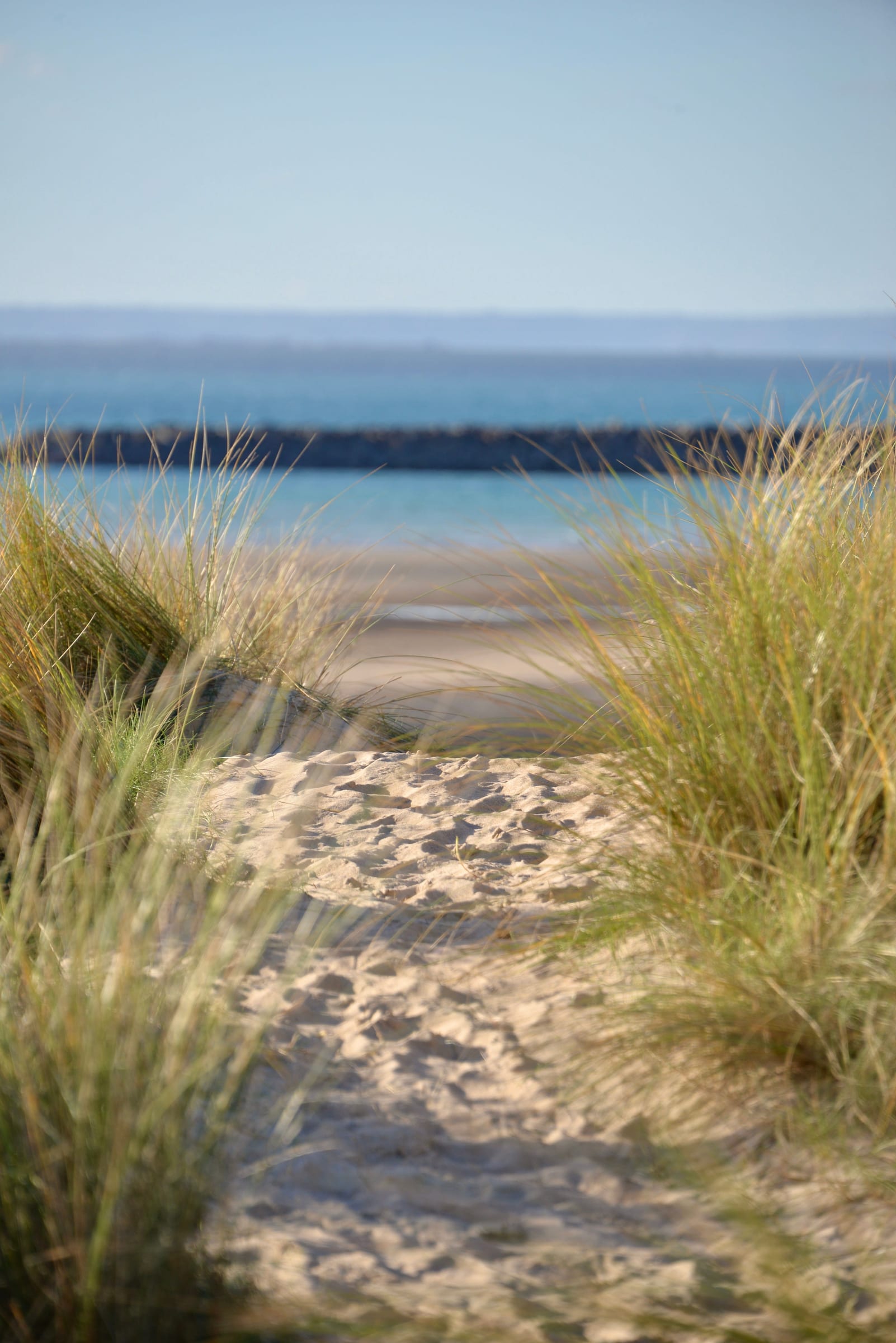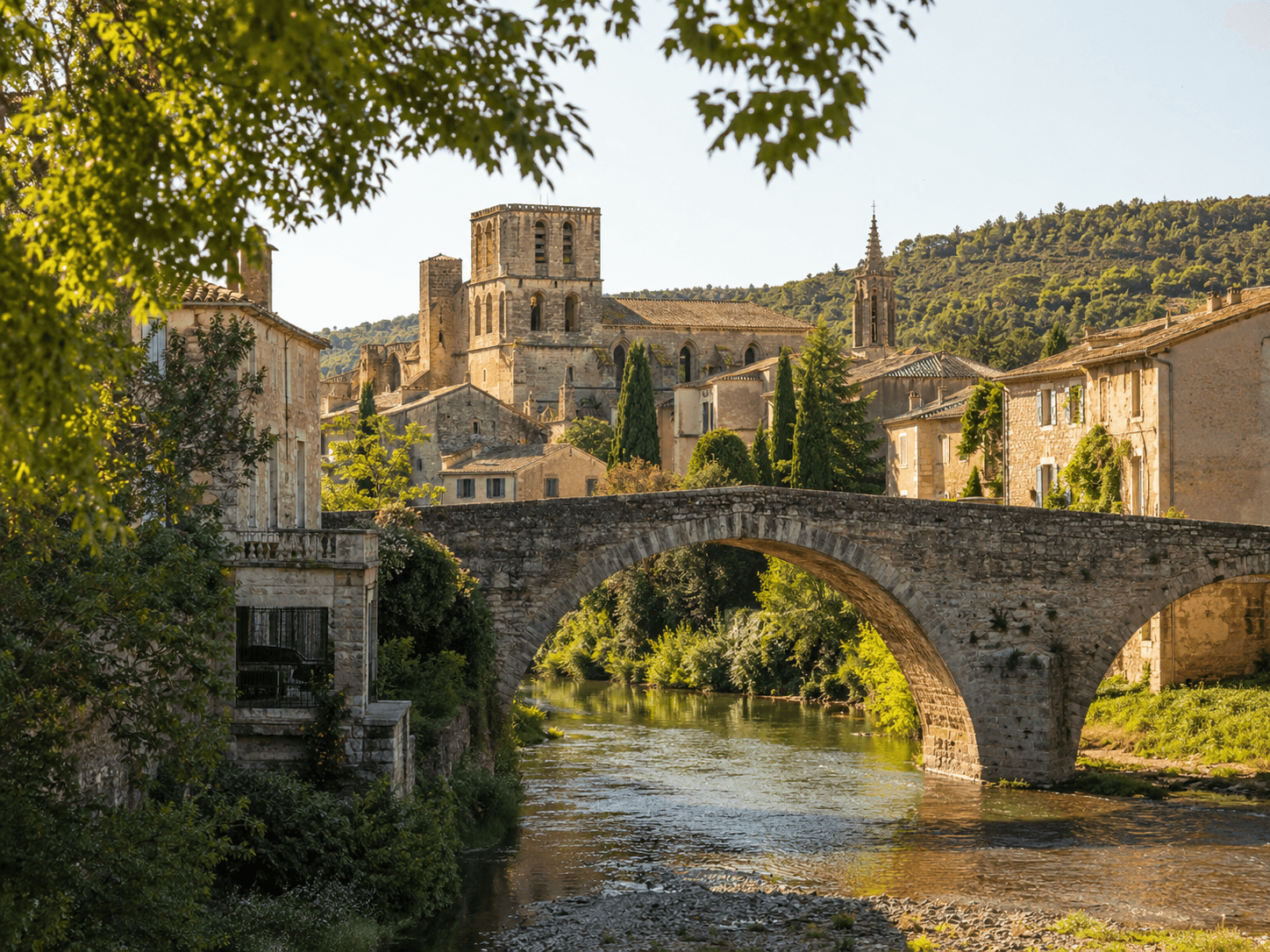
The coast, the port and the lagoon
Along the Languedoc coast and the shores of the Étang de Thau, gastronomy takes shape around water: the morning market, the port café, the oyster shack at midday, the long lunch with a view. Four territories define this coastal gastronomic experience, each with a distinct character, each worth a full day. If you are still deciding where to base yourself, our guide to choosing a holiday home in the South of France can help you choose between coast and countryside.
Narbonne, the Halles, Les Grands Buffets and the taste of the South
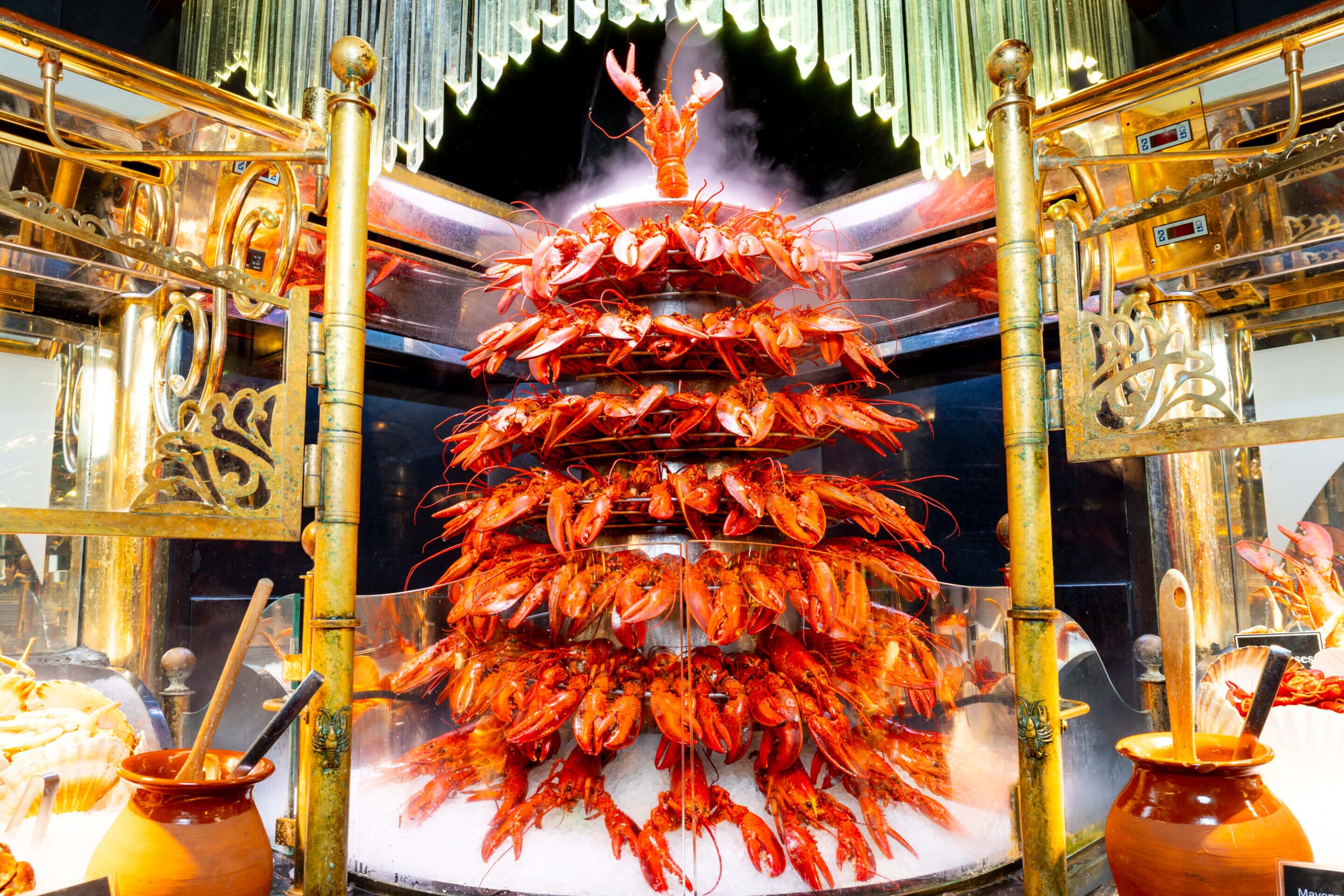
Narbonne is one of the finest starting points for a gastronomic stay between the Aude and the Hérault. The city has a rare asset: its Halles. People come for the produce, certainly, but also for the atmosphere, the stalls, the counter bars, the regulars, the conversations, the shared glasses, the improvised lunches. The Halles de Narbonne set the tone of the territory immediately. The city is also known for Les Grands Buffets, an address that has become a destination in its own right for lovers of classic French cuisine. Around the city, a stay extends naturally towards Gruissan, the salt marshes, the lagoons and the wines of La Clape. This is what makes Narbonne particularly compelling: city, coast, wine and gastronomy within a very short radius. Browse our holiday villas near Narbonne to find the right base for your stay.
Best for: Les Halles de Narbonne, Les Grands Buffets, La Clape wines, market-centred stays in the Aude
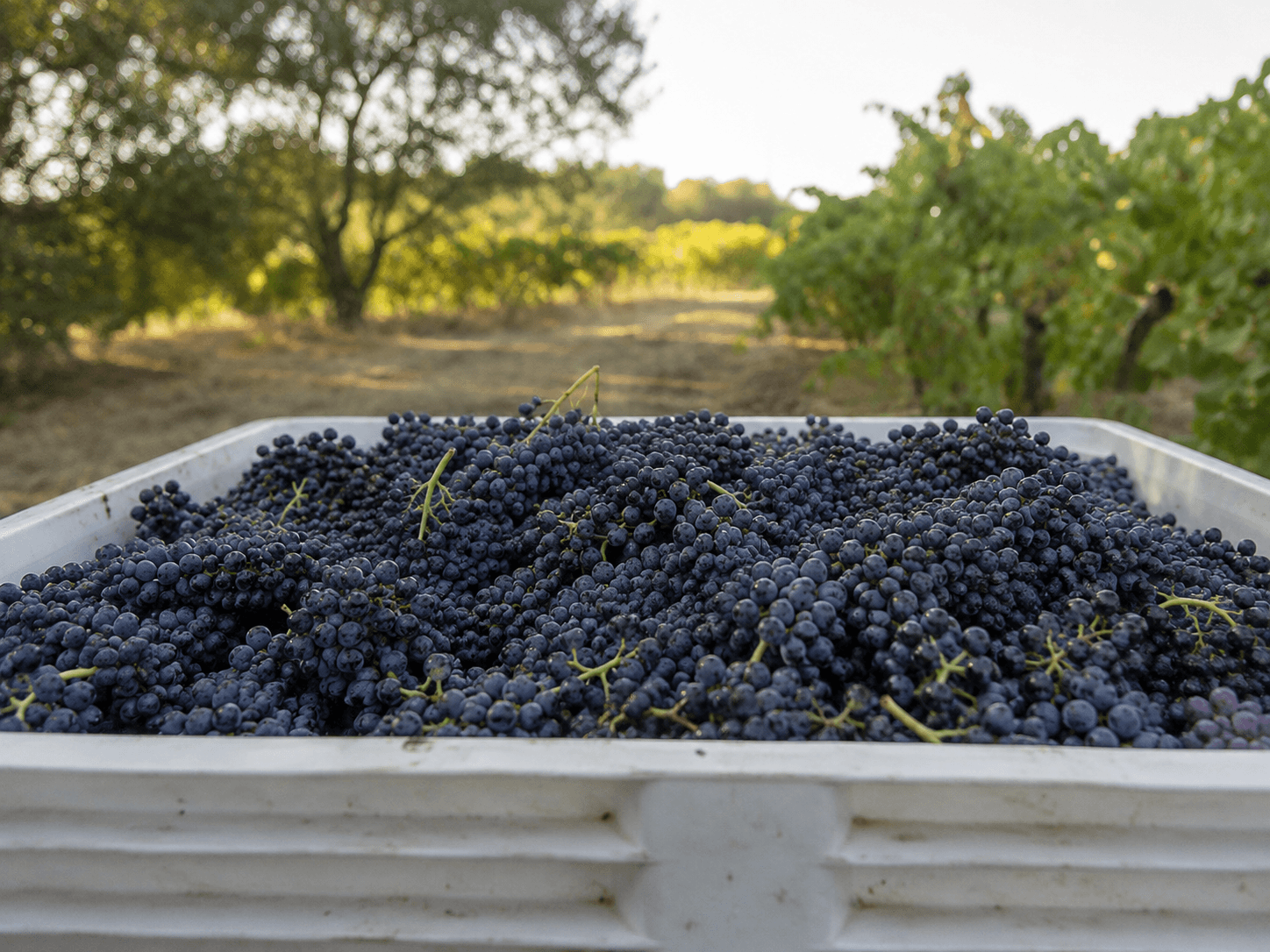
La Clape, wine between the garrigue and the Mediterranean
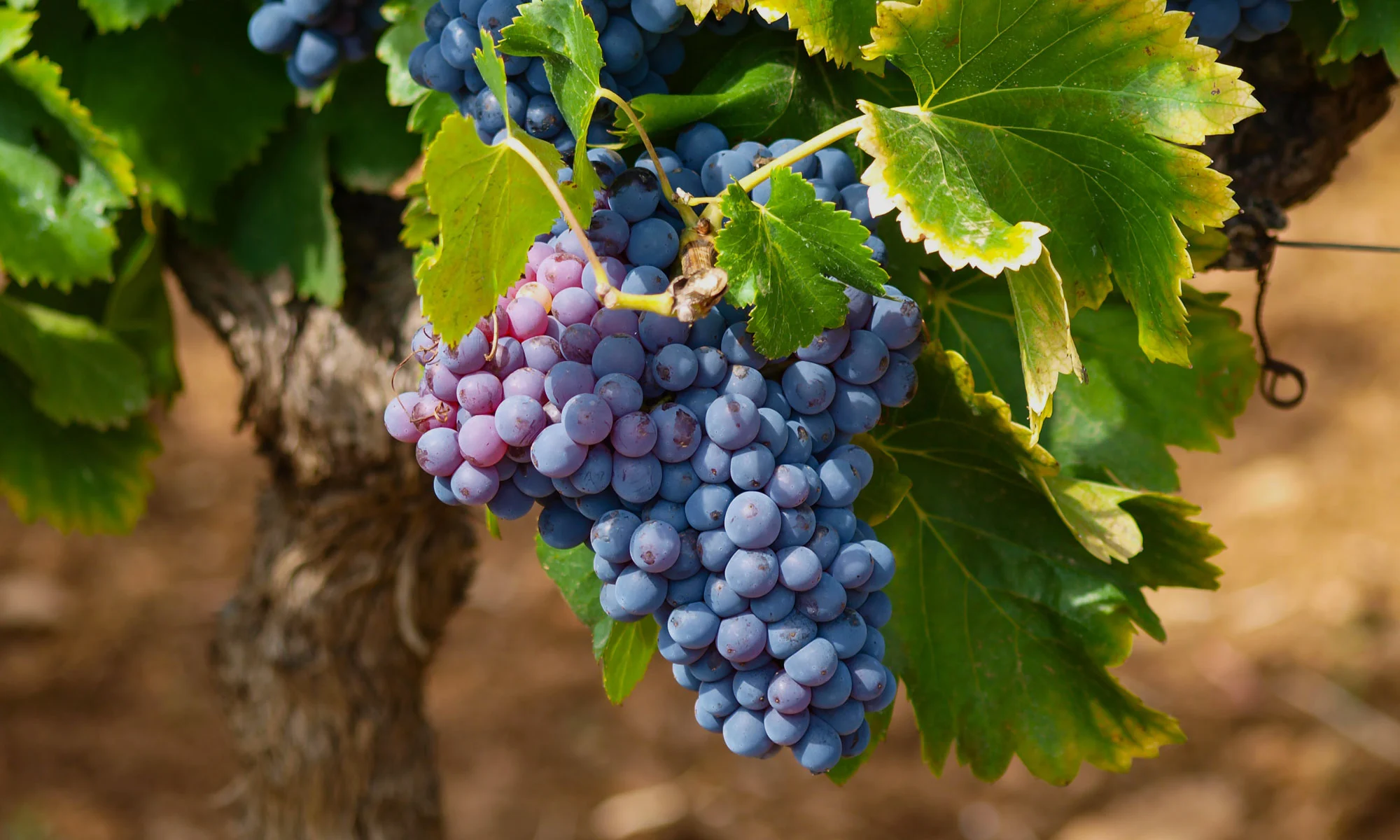
Between Narbonne and Gruissan, the Massif de La Clape gives the Aude coastline a strong identity of its own. Here, the vines are never far from the sea. The landscapes blend garrigue, cliffs, pines, winding roads, wine estates and Mediterranean views. This is one of the finest areas for organising a tasting during a stay near Narbonne or Gruissan. You can spend the morning on the beach, lunch at the port, then visit a domaine in the late afternoon. La Clape embodies what many travellers come to the South looking for: a wine that tells the story of a landscape, a light, a climate and a closeness to the sea. Our villa Domaine de la Clapière sits in the heart of the massif, with this landscape at the door.
Best for: wine tasting near the coast, garrigue landscapes, sea and vine, stays near Gruissan and Narbonne
The Étang de Thau, oysters, shellfish and lunch by the lagoon
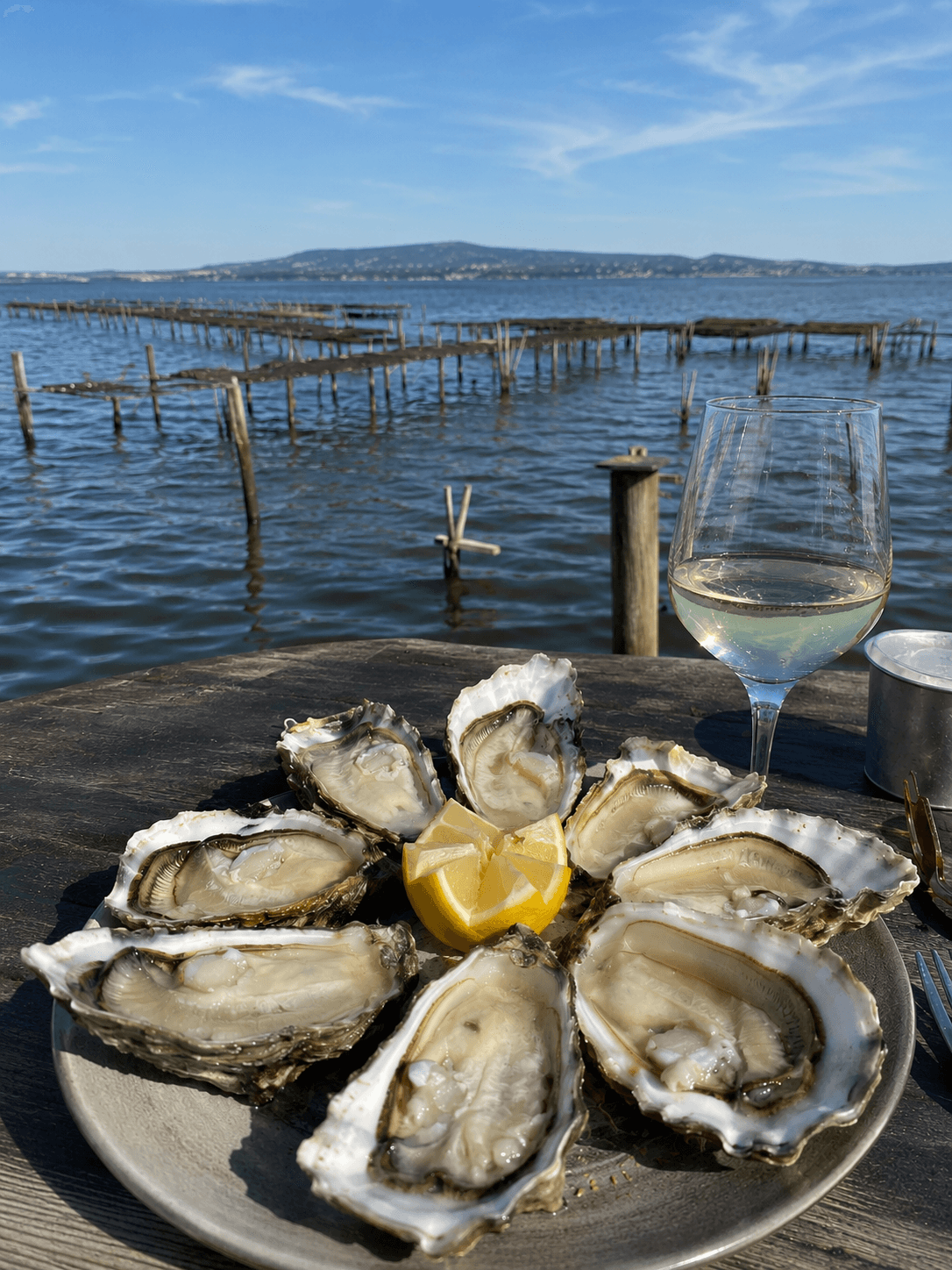
The Étang de Thau is one of the great gastronomic territories of the Languedoc coast. Around Bouzigues, Mèze, Marseillan and Sète, gastronomy unfolds by the water, at the rhythm of the ports, the oyster beds, the waterside shacks, the terraces and the sunsets over the lagoon. The most memorable experience is often the simplest: oysters, a few shellfish, a glass of white wine, a table facing the étang. Bouzigues remains the essential address for oysters. Mèze offers a quieter, more family-oriented atmosphere. Marseillan adds a gentle harbour quality, more refined, more tranquil. Sète connects the lagoon, the sea, the Halles and maritime cooking in a way no other town in the region can. The Étang de Thau is perfect for those who love seafood, but equally for those looking for a gastronomy without formalism: direct, local, luminous. Pair your oysters with a glass of Picpoul de Pinet. The appellation surrounds the lagoon and is among the most food-friendly whites in France.
Best for: oysters, shellfish, lagoon lunches, Bouzigues, Mèze, Marseillan, Picpoul de Pinet
Sète, a maritime city that eats well all year
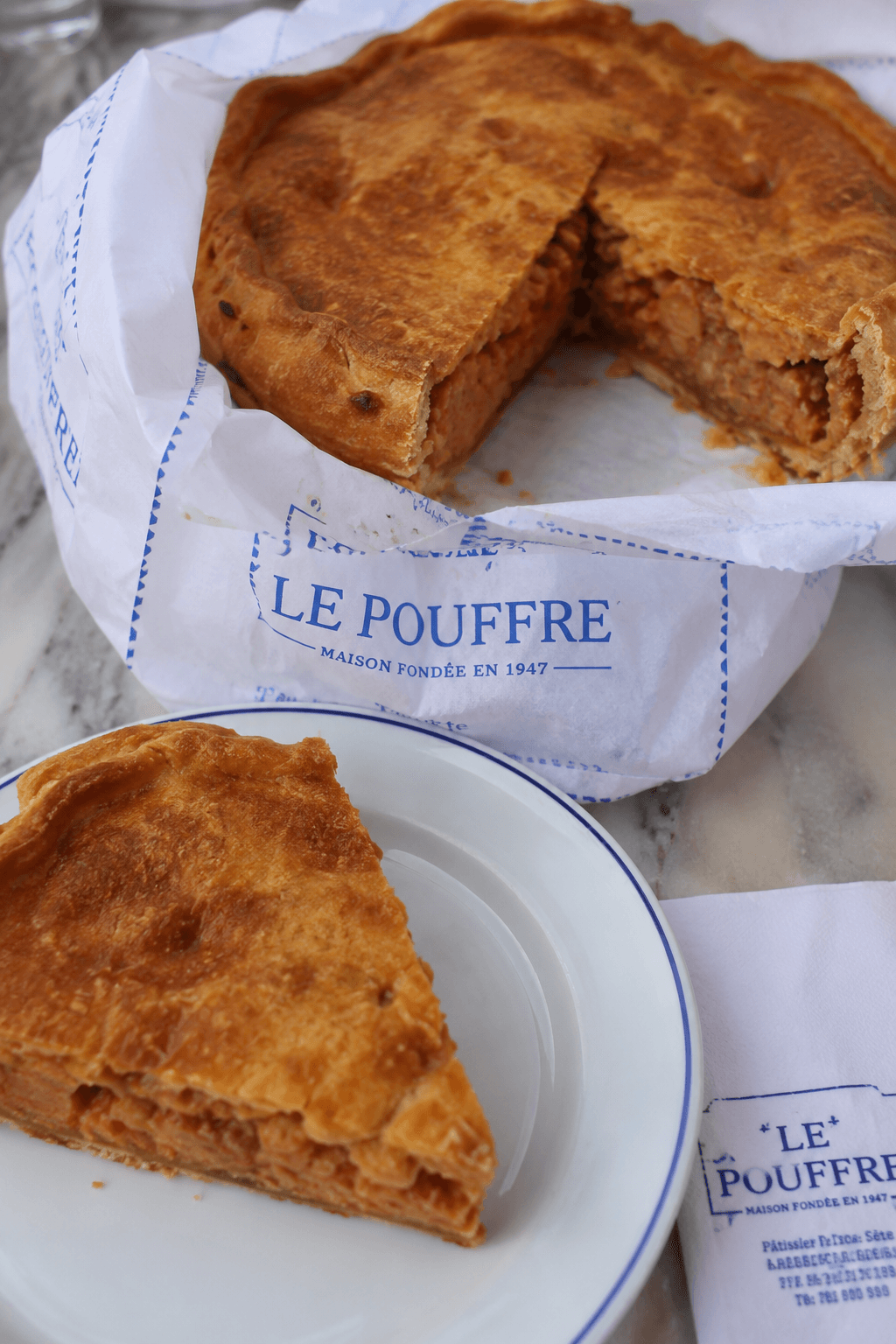
Sète is a city apart in the gastronomic landscape of the South. It has its Halles, its port, its canals, its beaches, its connection to the Étang de Thau, and a genuine popular culinary culture unlike anything in the resort towns. You come for the fish, the shellfish, the tielle Sétoise, the macaronade, the port restaurants, the Tuesday market and that atmosphere of a Mediterranean city that lives all year round. Sète works particularly well for a gastronomic weekend or an off-season stay: unlike purely seaside destinations, the city retains real energy beyond the summer months. It suits travellers who want to eat, walk, visit, go to the Halles, have a drink on the canal, climb Mont Saint-Clair, then end the day around a generous meal. Our villas Rooftop Sétois and Maison Les Barques sit in the heart of the city, within easy reach of the market and the waterfront. For more on what to do and where to stay in Sète, see our destinations guide.
Best for: maritime cuisine, year-round city stays, tielle, macaronade, the Halles de Sète, canal life
The countryside: wine, villages and slow days
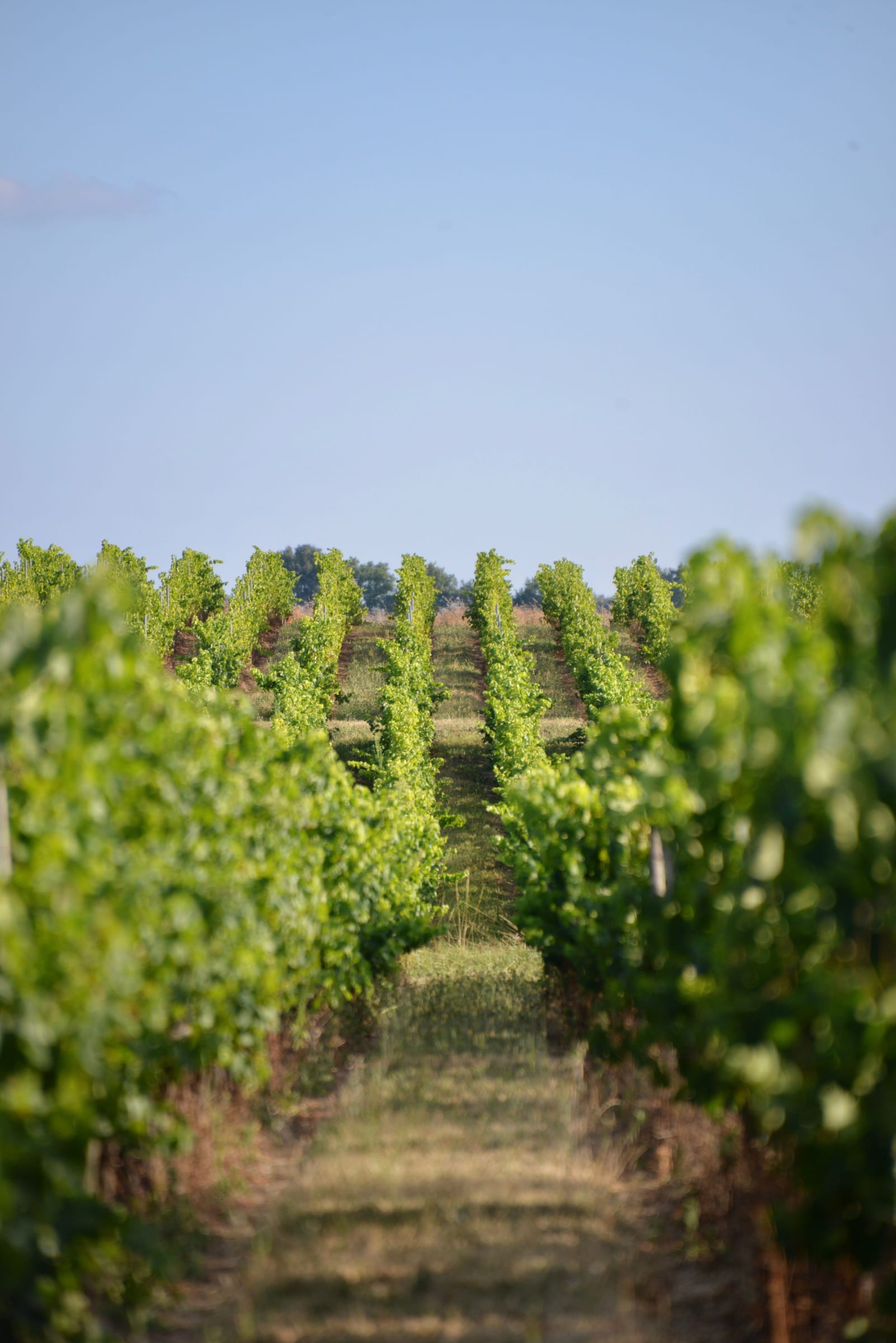
Inland, gastronomy changes rhythm. You leave the ports and the shellfish behind and return to villages, markets, wine estates, garrigue roads, private cellars and meals eaten in the shade. The countryside between Narbonne and Montpellier rewards those who slow down, a morning in the village, a tasting at a domaine, a long lunch outside, dinner on the terrace as the vines cool at last.
Minervois, Corbières, Saint-Chinian, the South of the winegrowers
In the arrière-pays, three appellations shape three distinct gastronomic experiences. The Minervois suits travellers who love villages, houses with pools, red wines, dry landscapes and slow days moving between the market and a tasting, around Minerve, Bize-Minervois, Caunes-Minervois and La Livinière. The Corbières offer a wilder, more mineral experience: around villages such as Lagrasse, the wine roads, the Abbaye de Fontfroide and landscapes that see far fewer visitors. Saint-Chinian brings a third expression of Languedoc wine, rolling, rural, rooted in the garrigue, the Thursday morning market and family estates that welcome visitors without ceremony. These three territories are ideal for a stay where you take your time: buying at the market in the morning, cooking at the house, visiting a domaine, lunching outside, coming home to enjoy the pool in the late afternoon. Browse our villa collection in the Languedoc countryside to find the right property for this kind of stay.
Best for: Minervois, Corbières and Saint-Chinian wine tourism, village markets, slow gastronomic stays, houses with pools
Where to stay for a gastronomic trip between Narbonne and Montpellier
The right base depends on what you want to taste. For the Halles, Les Grands Buffets, La Clape and Gruissan, choose Narbonne or its surroundings. For oysters, shellfish and harbourside lunches, look towards Sète, Marseillan, Mèze or Bouzigues. For wine, villages and houses with pools in the countryside, choose the Minervois, the Corbières, Saint-Chinian or the surroundings of Pézenas. The essential thing is to choose a house that lets you live gastronomy day by day: a pleasant kitchen, a terrace, a large table, markets within easy reach and producers you can visit on the way back.